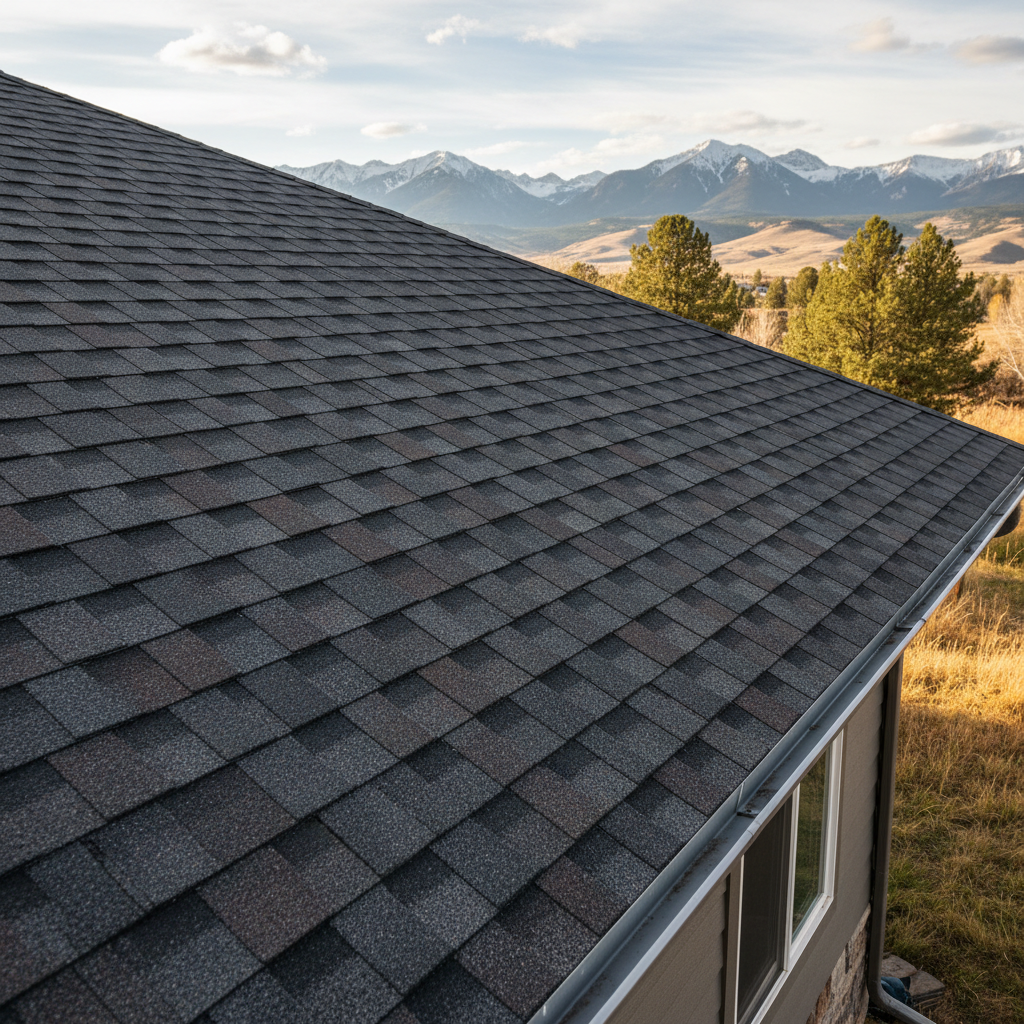
What's the real lifespan of an asphalt shingle roof in Bozeman?
You'll see manufacturers throw around numbers like '25-year' or '30-year' shingles, and those are technically correct under ideal conditions. But let's be real, Bozeman isn't exactly ideal conditions. We get brutal winters, heavy snow loads, and that intense summer sun. What I tell folks is this: a well-installed architectural shingle roof, properly maintained, will typically last you 18-25 years here. Three-tab shingles? You're looking at closer to 12-18 years. The biggest factors are installation quality, how well you keep up with maintenance like cleaning gutters, and the severity of our weather cycles. That freeze-thaw cycle we get in the spring and fall? It's tough on everything, especially your roof.
How do I know if my roof needs repair or a full replacement?
This is a question I get constantly. The short answer is, it depends on the extent of the damage. If you've got a few cracked or missing shingles, especially after a windstorm, that's often a repair job. We can usually match existing shingles pretty well, or at least close enough that it's not an eyesore. But if you're seeing widespread granule loss, lots of curling or buckling shingles, or multiple leaks in different spots, you're probably looking at a replacement. Another big indicator is age – if your roof is pushing 20 years and showing significant wear, putting money into repairs might just be delaying the inevitable. I always recommend getting an inspection; we can give you an honest assessment of what makes the most sense for your wallet and your home's protection.
Do asphalt shingles really stand up to Bozeman's hail?
This is a tricky one because 'hail' isn't just one thing. We get everything from pea-sized hail that just bounces off to golf ball-sized chunks that can do some serious damage. Modern asphalt shingles, especially architectural or 'laminate' shingles, are much more resilient than older three-tab styles. Many manufacturers now offer impact-resistant shingles, often rated Class 3 or Class 4. Class 4 is the highest rating and means they've passed tests simulating severe hail. If you're building new or replacing an older roof, I'd strongly consider investing in these impact-resistant options. They might cost a bit more upfront, but they can save you a huge headache and insurance claim down the line. Even with impact-resistant shingles, though, severe hail can still cause damage, so always get an inspection after a significant hail event.
What's the deal with ventilation, and why is it so important for my asphalt roof?
Ventilation is HUGE, and honestly, it's often overlooked. Think of your attic as a giant lung for your house. Proper ventilation, meaning a balanced system of intake vents (usually in your soffits) and exhaust vents (ridge vents or box vents on the roof), does a few critical things. First, it helps prevent heat buildup in the summer. An attic that's 150 degrees can cook your shingles from underneath, shortening their lifespan significantly. Second, in winter, it helps prevent ice dams. If your attic is too warm, it melts snow on your roof, which then refreezes at the colder eaves, creating those destructive ice dams. Good ventilation keeps your attic closer to the outside temperature, extending your shingle life and protecting your home from moisture issues. We see a lot of homes, especially older ones in areas like the university district, that are seriously under-ventilated, and it causes all sorts of problems.
How often should I have my asphalt roof inspected?
I tell all my customers: get your roof inspected annually. Seriously. It's like getting the oil changed in your car. A professional inspection can catch small issues – a loose shingle, a bit of moss growth, a clogged gutter – before they turn into big, expensive problems. After any major storm, especially one with high winds or hail, it's also a good idea to have us take a look. Even if you don't see obvious damage from the ground, things can be brewing up there. A quick, proactive inspection can save you thousands in repairs down the road and keep your warranty valid.
Are darker or lighter shingles better for Bozeman's climate?
This is a common question, and there are arguments for both. Darker shingles absorb more solar radiation, which can be a good thing in the winter, helping to melt snow and ice faster. However, that same absorption means they get much hotter in the summer, which can accelerate shingle aging. Lighter shingles reflect more sunlight, keeping your attic cooler in the summer and potentially extending shingle life, but they might hold onto snow a bit longer in winter. For Bozeman, I generally lean towards mid-tone or lighter colors. The summer sun here is no joke, and reducing that heat load on your roof and in your attic can make a real difference in comfort and energy bills. Plus, with our snow loads, you're going to have snow on your roof regardless of color for a good chunk of the winter, so the melting advantage of dark shingles is often minimal compared to the summer heat disadvantage. Ultimately, the choice often comes down to aesthetics and personal preference, but it's worth considering the practical aspects for our specific climate.
Hopefully, this clears up some of the questions you've got about your asphalt shingle roof. We've been working on roofs all over Bozeman for years, and we've seen it all. If you've got more questions or need an inspection, just give Bozeman Roofing Pros a call. We're here to help you keep a solid lid on your home.